

An expert explains how the clock change affects your sleep
An expert explains how the clock change affects your sleep
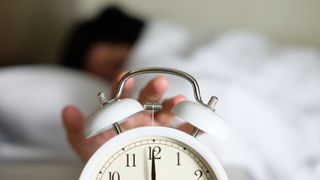
At 2 am local time on Dominicus November 7, Daylight saving time (DST) ends in the U.s.a., which means the clocks become back by one hour. And while this gives us an extra hour in bed, it tin can also have a knock-on upshot, which feels similar to jet lag.
Nosotros speak to two experts to detect out how clock changes bear on our sleep and how you tin can set to make the transition as seamless as possible. Plus, we'll as well cover some tips on how to get good sleep in general.
That begins with your bed, so check out our guide to the best mattress if you need an upgrade, or our best mattress toppers guide for giving older beds a comfort boost.
- How to use the 4 seven eight sleep method to fall asleep fast
How does the clock alter affect sleep?
For some people, the clock change will exist no bother at all. But, for others, the switch volition bring on a feeling similar to jetlag, which can lead to moodiness and ambition changes, among other things.
Apr Mayer, a sleep expert at Amerisleep, explains information technology similar this: "Every bit our bodies are used to a certain rhythm, if you lot don't take steps to minimize the effect of a time change, it can take a few days or fifty-fifty around a week to get your slumber schedule back on runway," says Mayer.
"Our cyclic rhythm (or 'body clock') – which governs many of our bodily functions, from hunger cues to knowing when nosotros need to sleep – relies on consequent patterns of sunlight and darkness to operate.
"It produces melatonin to make us feel sleepy at dark, and responds to low-cal during the day to point united states to stay awake. The clock modify can interfere with these patterns. Still, knowing this means yous can take steps to smooth the transition and avoid any negative furnishings."
How to prep your sleep for the clocks going dorsum
If you are usually affected by the changing of the clocks, so the good news is that in that location are some simple things you tin can do earlier the time modify.
Mayer suggests: "The night before the clock change, try to eat a calorie-free, poly peptide-filled dinner to promote sleepiness. Nosotros also recommend shutting off screens most 2 hours earlier bedtime, unwinding with a warm bathroom or shower, doing some lite stretches, and reading a good book or doing some calorie-free activity.
"It's too important to get at to the lowest degree 7 hours of sleep each night to keep y'all from feeling tired when the switch occurs." If yous are ill, yous may need to get a petty more sleep than normal to assist you recover (read our feature on how to sleep with a common cold with advice from a slumber doctor).
In guild to make the transition easier, you can likewise follow these simple steps, starting this night:
- The Th before the clocks go dorsum – consume, slumber and practice 30 minutes earlier than usual.
- The Friday earlier the clocks go back – eat, sleep and practise 25 minutes earlier than usual.
- The Sabbatum before the clocks go back – eat, slumber and exercise 20 minutes earlier than usual.
- The Sunday when the clocks go back – eat, sleep and exercise according to the new time.
When the clocks go back, maintaining skilful sleep hygiene volition aid make the bound easier. Read on for some essential data about sleep hygiene and how practicing it volition assistance you sleep better dark later night.
What is slumber hygiene and how can it help you lot?
'Sleep hygiene' is a term yous might have heard in discussions about healthy slumber and general wellbeing, only what does it actually mean, and how can information technology help you slumber better before and after the clocks go back? Nosotros recently spoke to Dr Katherine Green, medical director of the UCHealth Sleep Medicine Clinic in Colorado, to discover out...
"Slumber hygiene is the general term used for the habits and behaviors around our sleep routine," she says. "It encompasses everything from the sleep environment (where the bedroom is, how much racket is around, how much light is there, etc), to the schedule that y'all typically slumber (bedtime and wake time).
"It likewise includes the things that y'all exercise before bed (using electronics before bed, eating or drinking schedules effectually bedtime, and and so on). These things give the brain clues that help regulate the trunk's sleep organization."
Signs that you lot take poor sleep hygiene
It'south easy to get into bad habits when it comes to our bedtime routines, only how do you know which habits are seriously affecting your sleep? According to Dr Green, there are two big signs of poor sleep hygiene.
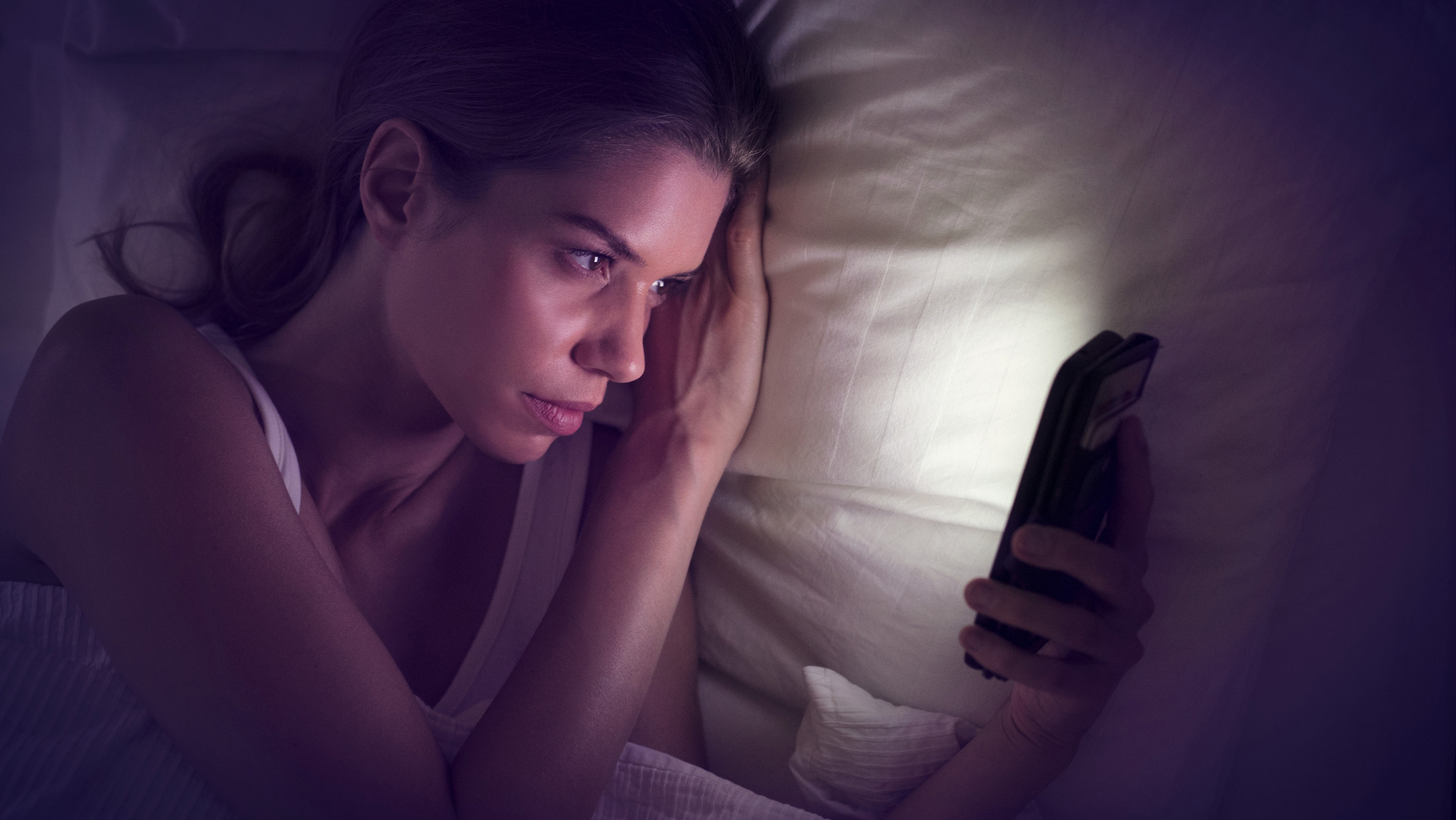
The starting time sleep hygiene no-no is using electronics within around an hour of bedtime. "Light from electronics (blue light) inhibits your brain's production of melatonin, the hormone that helps you to fall asleep and stay comatose," explains Dr Green.
"Using electronics (TV, phone, tablet etc) within 30-hr of bedtime tin can make information technology harder for you to fall comatose and stay comatose."
The second biggest sign? Not keeping your sleep and wake schedule regular. "Having an erratic slumber schedule (going to bed early some nights, tardily others, waking up early some days and sleeping in until very late on other days)," says Dr Greenish.
"This makes it difficult for the brain's hormones to regulate sleep, making information technology hard to autumn asleep at nighttime when you want to."
Expert tips for amend slumber hygiene
Regardless of the clocks going back, it's always wise to practice good sleep hygiene daily so that you lot tin get the residue you demand without effect.
Dr Greenish recommends the following good sleep hygiene tips:
i. "Avert electronics within 60 minutes of bedtime."
ii. "Make sure your sleeping accommodation environs is conducive to sleep. It should be cool, dark, and tranquillity."
3. "Avoid caffeine or stimulants after about 1pm, as this volition affect your ability to autumn asleep later that evening."
4. "Exercising during the day can aid reduce indisposition and improve sleep quality, and getting morning sunlight exposure helps to regulate your cyclic rhythm besides. Nevertheless, endeavor to avoid any strenuous practice too shut to bedtime."
five. "Proceed to the same sleep schedule equally much as you can, trying to avoid your bedtime and wake-time varying by more than than an hr each day."
half-dozen. "If you do wake in the night, avoid electronics or eating. Instead get out of bed and do a placidity action like reading until yous experience tired, and so go back into bed and endeavor to fall asleep."
- Can't sleep? Try this dietitian-approved Golden Milk before bed

Source: https://www.tomsguide.com/how-to/an-expert-explains-how-the-clock-change-affects-your-sleep
Posted by: hooksstlece.blogspot.com
0 Response to "An expert explains how the clock change affects your sleep"
Post a Comment